Effectiveness of Inspiratory Muscle Training in Ckd With Cardiogenic Pulmonary Edema: A Case Series
Vishnu K Nair , Priya S, Stacy Santan Fernandes · Int J Physiother Res 2026;14(4):5054–5061
1 Assistant Professor, Laxmi Memorial College of Physiotherapy, Mangaluru, Karnataka, India.
2 Associate Professor, Laxmi Memorial College of Physiotherapy, Mangaluru, Karnataka, India.
3 Second Year MPT Student, Cardiovascular and Pulmonary Sciences, Laxmi Memorial College of Physiotherapy, Mangaluru, Karnataka, India.
Corresponding Author: Stacy Santan Fernandes, Second Year MPT Student, Cardiovascular and Pulmonary Sciences, Laxmi Memorial College of Physiotherapy, Mangaluru, Karnataka, India. · stacyfernandes2001@gmail.com
Abstract
Background
Patients with chronic kidney disease (CKD) frequently develop cardiogenic pulmonary edema and associated respiratory muscle weakness, reduced chest expansion, increased dyspnea and reduced quality of life. Inspiratory muscle training (IMT) may help improve respiratory mechanics, oxygenation and patient reported outcomes in this population.
Methods
Context and Purpose of Study: To examine the effectiveness of supervised IMT in CKD patients with cardiogenic pulmonary edema using chest expansion, mMRC dyspnea, and SpO₂.
Results
The study showed significant improvements in all measured outcomes following the intervention. The average mMRC dyspnea score was reduced from 3.60 ± 0.55 to 1.00 ± 0.00 (p < 0.001), while mean SpO₂ increased from 91.80 ± 1.30% to 98.00 ± 1.00% (p = 0.001). Chest expansion also improved in all participants, indicating enhanced respiratory function. Overall, these findings demonstrate meaningful enhancements in respiratory function and clinical status.
Conclusion
The study found that IMT helped reduce dyspnea and improve oxygenation and chest expansion in CKD patients with cardiogenic pulmonary edema.
BACKGROUND
Chronic kidney disease (CKD) is defined as a sustained reduction in kidney function for no less than a three months, with a GFR below 60 mL/min/1.73 m² or evidence of kidney damage, regardless of its underlying cause [1]. Over the past three decades, the number of people living with chronic kidney disease (CKD) around the world has increased considerably [2]. Early-stage chronic kidney disease typically presents without obvious symptoms. As the condition progresses over months or years, however, patients may begin to experience issues such as fatigue, swelling (edema), confusion, nausea, vomiting, and a decreased appetite [3]. Globally, nearly 850 million people are affected by kidney disease, according to the International Society of Nephrology [4].
Pulmonary edema (CPE) is the accumulation of surplus fluid within the lung tissues and air sacs. This occurs when high filling pressures in the heart elevate pulmonary venous pressure, forcing fluid out of the capillaries and into the lungs [5]. Within the heart failure population failure and reduced ejection fraction, cardiogenic pulmonary edema is reported to occur in approximately 75%–85% of cases. Being male or older in age may increase the risk of developing this condition [6]. Current research shows that between 25% and 65% of patients affected by chronic kidney disease experience pulmonary edema. In more advanced stages of the disease, most cases are triggered by heart-related issues [7].
Inspiratory muscle training (IMT) is a rehab method aimed at boosting the strength of the muscles used for breathing. This is achieved by having the patient inhale through a device that creates a specific level of resistance, similar to weight training for the lungs [8]. Inspiratory muscle training (IMT) is a strength-based exercise for the muscles used in breathing, intended to increase their power and optimise respiratory efficiency [9]. Other advantages include increased breathing capacity and delayed muscle exhaustion. These improvements are particularly vital for ICU patients transitioning away from mechanical ventilation [10]. Combining IMT with diaphragmatic or pursed-lip breathing may support improvements in breathing function and symptom relief than using breathing exercises alone [11].
Diaphragmatic breathing is a breathing technique that emphasizes diaphragmatic recruitment and promotes a more efficient breathing pattern. By slowing breathing and increasing the amount of air per breath (tidal volume), this exercise significantly improves oxygen-exchange efficiency [12]. Research suggests that individuals with CKD may experience changes in diaphragm structure and function. These changes suggest that targeted breathing exercises may help strengthen the diaphragm and improve respiratory muscle function [13].
Pursed-lip breathing extends exhalation and prevents small-airway collapse, which helps reduce shortness of breath in individuals with respiratory issues [14]. By extending the exhalation phase, pursed-lip breathing creates a small amount of positive pressure within the airways. In other respiratory conditions, this technique prevents airway collapse and could similarly assist CKD patients whose lung flexibility is compromised by fluid buildup [15].
This case series aimed to assess changes in chest expansion, dyspnea using the modified Medical Research Council (mMRC) scale, and peripheral oxygen saturation (SpO₂) after two weeks of supervised respiratory physiotherapy in patients with CKD and cardiogenic pulmonary edema.
METHODS
Study Design – Case series.
Sample and Setting- Patients were recruited from a tertiary care hospital in Mangalore, Karnataka, India, between June 15, 2025, and July 15, 2025. Five patients diagnosed with chronic kidney disease (CKD) constituted the case series. Adults diagnosed with CKD were eligible if they were medically stable and willing to take part in the study. All patients were admitted and were under medical management during the study period. We evaluated dyspnea, SpO₂, and chest expansion at baseline and after the intervention in all participants. Outcome measures including peripheral oxygen saturation (SpO₂), modified Medical Research Council (mMRC) dyspnea scale, and chest expansion were recorded on the first day of intervention and after two weeks. Patients were excluded if they had a recent myocardial infarction, heart failure, cardiac arrhythmia, lung cancer, or other condition that made chest physiotherapy unsuitable. All participants received chest physiotherapy once daily for two weeks. Participants received a supervised respiratory physiotherapy program once daily for two weeks. The intervention consisted of diaphragmatic breathing and pursed-lip breathing. Participants completed three sets of 10 diaphragmatic breathing repetitions, separated by brief periods of rest between each set. Pursed-lip breathing was also performed for 10 repetitions per set for 3 sets. A physiotherapist supervised each treatment session, while SpO₂, vital signs, and patient symptoms were checked before, during, and after the intervention.
Outcome measures: The mMRC dyspnea score, SpO₂, and chest expansion were recorded prior to and following the treatment to determine its effectiveness.
(a) mMrc Dyspnea Scale- The Modified Medical Research Council (mMRC) scale tracks breathing difficulty limits daily functioning by identifying specific activities that trigger it. Ranging from Grade 0 (breathlessness only during intense exercise) to Grade 4 (too breathless to leave the house), this tool is valued for being quick to administer and highly correlated with other respiratory disability measures. It is designed to evaluate the functional impact of breathlessness on a patient’s life rather than just the physical intensity of the symptom itself [16]. The tool showed good reliability, with an ICC value of 0.82, supporting its role in clinical evaluation and research in this population [17].
(b)Pulse Oximetry (SpO₂) – At sea level, most healthy people have an SpO₂ level between 96% and 100%. Those who live at higher altitudes may normally have slightly lower readings. Pulse oximeters are generally designed to measure oxygen saturation from 70% to 100%, with an accuracy of about 2%–4%. When the reading falls below 70%, interpret it carefully because it may not match the oxygen level measured by an arterial blood gas test [18].
(c) Chest Expansion- Chest expansion (CE) is the measurement of the difference in chest circumference between a complete inhalation and a complete exhalation [19]. The inch tape method measures chest expansion while the patient sits comfortably. This clinical assessment involves placing a measuring tape around three specific thoracic levels: the axilla (upper), the nipple line (middle), and the xiphoid process (lower). Healthy individuals typically show expansion of 4-7 cm, but this decreases in those with lung pathology, with smaller measurements generally indicating greater disease severity [20]. In healthy adults, chest expansion is generally around 4–7 cm, although the measured range may differ depending on the individual’s health status [21]. Standard chest expansion typically decreases with age, falling by roughly 50–60% between ages 15 and 75. Additionally, these measurements are generally about 20% greater in men than in women.
RESULTS
The statistical analysis was performed using SPSS version 23.0. Categorical variables were presented as frequency and percentage, while descriptive variables were expressed as mean and standard deviation. Paired sample t-tests were used to compare pre- and post-intervention data within groups. A p-value < 0.05 was considered statistically significant.
All five participants experienced varying degrees of changes in their lives across different domains, with some exhibiting more pronounced changes in the MMRC Dyspnea Scale related to breathlessness. Chest expansion improved in following two weeks of chest physiotherapy, all five patients were reassessed. Additionally, dyspnea decreased, and SpO₂ levels improved significantly.
The baseline mMRC dyspnea score was 3.60 ± 0.55 and decreased to 1.00 ± 0.00 after the intervention. The median score improved from 4.0 at baseline to 1.0 at follow-up. The mean reduction in mMRC score was 2.60, and the improvement was statistically significant (paired t = 10.61, p < 0.001), indicating a marked reduction in dyspnea severity after the intervention. This indicates that the improvement from baseline to follow-up was significant.
The baseline SpO₂ level was 91.80 ± 1.304, which increased to 98.00 ± 1.000 at follow-up. The mean improvement of 6.2 indicates a marked increase. The improvement was statistically significant (t = 7.75, p = 0.001), well below 0.05.
At baseline, all participants (100%) showed a chest expansion measurement of 01:01:01. At follow-up, all participants (100%) demonstrated an improved measurement of 01:02:01.
Table 1: Showing pre- post comparison of mMrc.

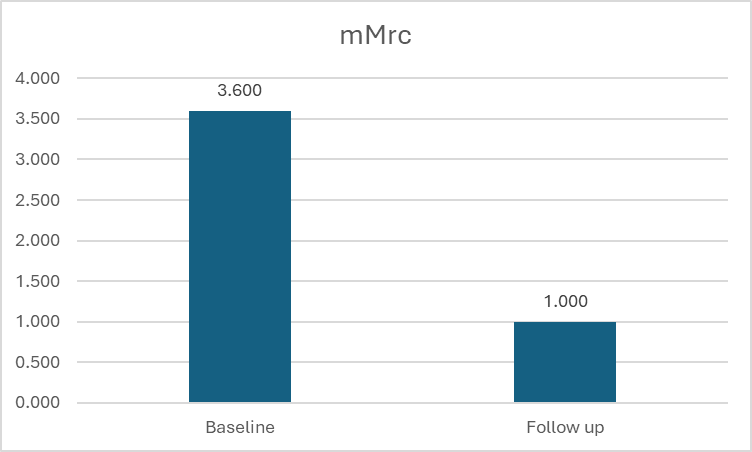
Fig. 1: Representing mean pre- post values of mMrc
Table 2: Showing pre- post comparison of Spo2.

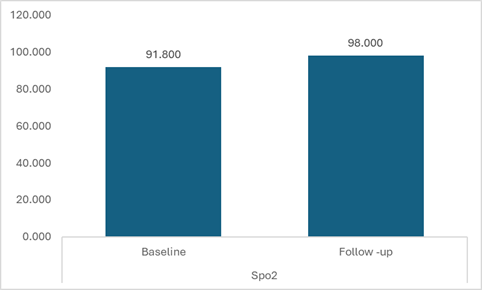
Fig. 2: Representing mean pre- post values of SpO2
Table 3: Showing pre- post comparison of Chest Expansion in Axillary line.

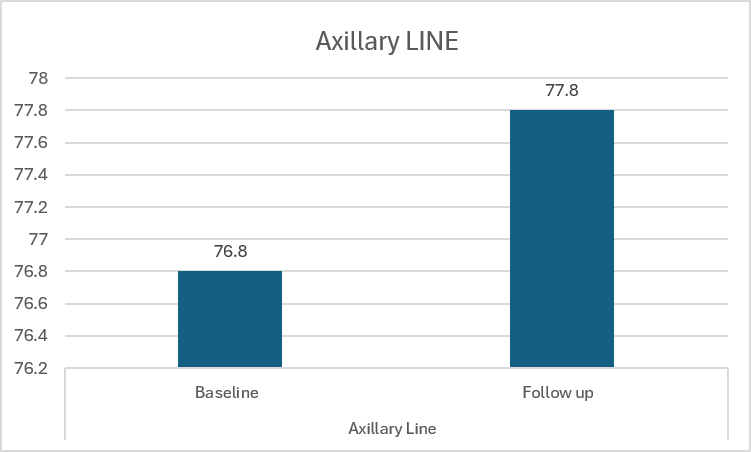
Fig. 3: Representing mean pre- post values of Chest Expansion in Axillary Line.
Table 4: Showing pre- post comparison of Chest Expansion in Nipple line.

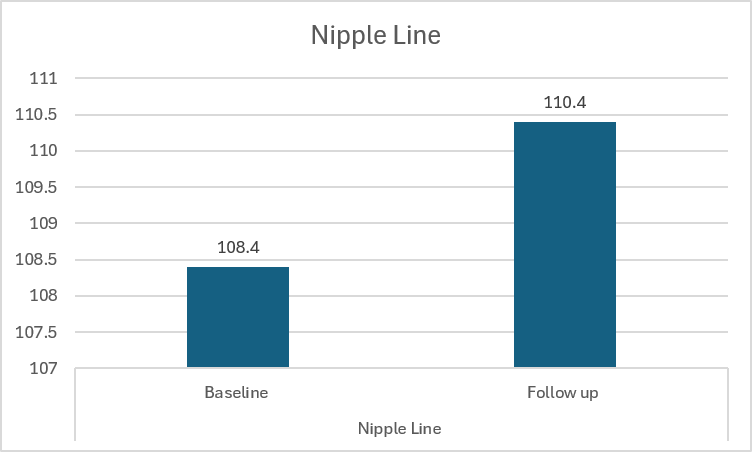
Fig. 4: Representing mean pre- post values of Chest Expansion in Nipple Line.
Table 5: Showing pre- post comparison of Chest Expansion in Xiphisternum line.

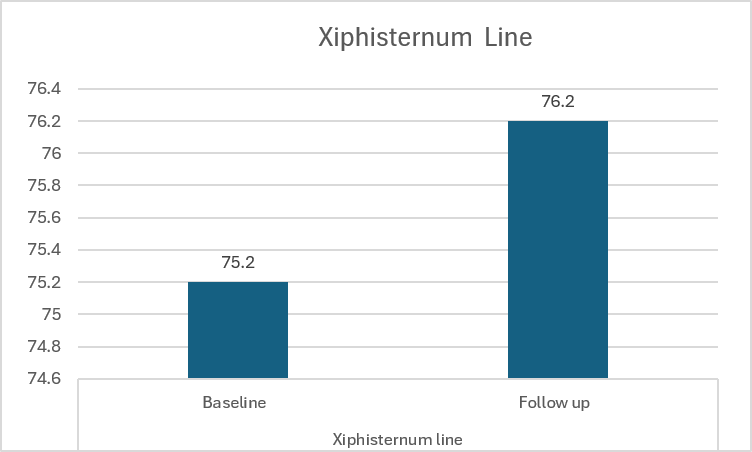
Fig. 5: Representing mean pre- post values of Chest Expansion in Xiphisternum Line.
DISCUSSION
In this case series, a two-week IMT program incorporating pursed-lip and diaphragmatic breathing improved SpO₂, mMRC dyspnea scores, and chest expansion among patients with CKD and cardiogenic pulmonary oedema. These observations align with findings from earlier studies involving CKD and other cardiorespiratory conditions.
Complementing this, a systematic review focusing on dyspnea and lung capacity outcomes in dialysis patients reported that IMT significantly improves inspiratory pressure and can modestly improve FVC, while reducing subjective dyspnea [22]. A systematic review by de Medeiros et al. (2017) The literature has reported beneficial effects of IMT that can strengthen the inspiratory muscles and improve functional capacity and quality of life in people with CKD. The review highlighted that IMT could counteract the progressive respiratory muscle weakness commonly seen in CKD and enhance physical performance and daily functioning [23]. Moreover, recent studies (2018–2025) reported that IMT, even when applied for short durations or at high intensity, significantly increases maximal inspiratory pressure (MIP) and improves functional outcomes in CKD patients on hemodialysis, while combining it with breathing exercises may further optimise oxygenation and dyspnea control.
Additionally, IMT programs have been shown to be feasible in resource-limited settings. In a developing-country RCT, CKD patients receiving hemodialysis twice a week underwent 12 weeks of IMT at 50% MIP; the intervention improved MIP and quality-of-life scores, suggesting that IMT can be safely implemented even in constrained clinical settings [24]. These findings suggest that combining pursed-lip and diaphragmatic breathing with IMT may be a practical and beneficial approach for CKD individuals experiencing cardiac-related pulmonary edema in clinical practice.
Growing evidence suggests that, in addition to improving muscle strength and functional capacity, high-resistance inspiratory muscle training may also support vascular and endothelial health in people with CKD.25 The authors propose that stronger inspiratory muscles may positively impact hemodynamics, reduce cardiovascular load, and thus be particularly relevant in CKD patients at risk for cardiovascular complications (including fluid overload and edema).
These findings align with recent studies reporting improvements in respiratory muscle strength, functional capacity, and quality of life following IMT among individuals with CKD. Overall, IMT may be a useful and safe addition to respiratory rehabilitation for CKD patients with respiratory difficulties. However, larger studies are needed to confirm these findings and determine the most suitable training approach.
CONCLUSION
A two-week Inspiratory Muscle Training intervention, combining pursed-lip and diaphragmatic breathing, significantly improved clinical outcomes in CKD patients with cardiogenic pulmonary oedema. Notably, these improvements suggest potential for reducing complications related to fluid overload and dyspnea in this population. This study highlights the importance of IMT in enhancing oxygenation, chest expansion, and functional capacity. Hence, it should be considered a valuable adjunctive therapy in integrated management protocols for CKD patients at risk of pulmonary edema. It underscores the significance of incorporating IMT into routine care to optimize respiratory function, alleviate dyspnea, improve SpO₂, and enhance overall patient well-being.
ABBREVIATIONS
CKD – Chronic kidney disease
CPE – Cardiogenic pulmonary edema
GFR – Glomerular filtration rate
IMT – Inspiratory muscle training
mMRC – modified Medical Research Council
SpO₂ – Peripheral oxygen saturation
AUTHORS CONTRIBUTION
Vishnu K Nair: Contributed to the conception of the study, guided throughout the manuscript preparation process and identifying the topic, performed critical revisions, and provided guidance in topic selection. Priya S: Responsible for reviewing the study and providing critical intellectual input to ensure the accuracy and integrity of the work. Stacy Santan Fernandes: Conceptualised and identified the research topic, performed data collection, collected study samples, conducted statistical analysis in collaboration with a statistician, and prepared the original manuscript.
ACKNOWLEDGEMENTS
The authors would like to thank all the faculty and students of Laxmi Memorial College of Physiotherapy for their invaluable support in facilitating and completing this study.
Cite this article: Vishnu K Nair, Priya S, Stacy Santan Fernandes. Effectiveness of Inspiratory Muscle Training in Ckd With Cardiogenic Pulmonary Edema: A Case Series. Int J Physiother Res. 2026;14(4):5054–5061. DOI: 10.16965/ijpr.2026.152
References
- Webster AC, Nagler EV, Morton RL, Masson P. Chronic kidney disease. The lancet. 2017 Mar 25;389(10075):1238- 52. https://doi.org/10.1016/S0140-6736(16)32064-5 PMid:27887750
- Filipska A, Bohdan B, Wieczorek PP, Hudz N. Chronic kidney disease and dialysis therapy:incidence and prevalence in the world. Pharmacia. 2021 May 25; 68:463-70. https://doi.org/10.3897/pharmacia.68.e65501
- Dhobe S, Tembhare V, Ankar R, Pohekar S, Gujar S. Chronic kidney disease: A case report. Indian Journal of Forensic Medicine & Toxicology. 2021;15(1):548-50.
- Francis A, Harhay MN, Ong AC, Tummalapalli SL, Ortiz A, Fogo AB, Fliser D, Roy-Chaudhury P, Fontana M, Nangaku M, Wanner C. Chronic kidney disease and the global public health agenda: an international consensus. Nature Reviews Nephrology. 2024 Jul;20(7):473-85. https://doi.org/10.1038/s41581-024-00820-6 PMid:38570631
- Zanza C, Saglietti F, Tesauro M, Longhitano Y, Savioli G, Balzanelli MG, Romenskaya T, Cofone L, Pindinello I, Racca G, Racca F. Cardiogenic pulmonary edema in emergency medicine. Advances in Respiratory Medicine.2023 Oct 13;91(5):445-63. https://doi.org/10.3390/arm91050034 PMid:37887077 PMCid:PMC10604083
- Degefu N, Jambo A, Demissie Regassa L, Getachew M. In-hospital outcome and its predictors among patients with acute cardiogenic pulmonary oedema at a tertiary hospital in Harar, Eastern Ethiopia: a retrospective cohort study. Journal of Pharmaceutical Policy and Practice. 2024 Dec 31;17(1):2309294. https://doi.org/10.1080/20523211.2024.2309294 PMid:38405032 PMCid:PMC10885763
- Wientarsih S, Sari NP, Aditianingsih D. The Correlation between Disease Stage and Pulmonary Edema Assessed with Chest X-Ray in Chronic Kidney Disease Patients. Imaging Med. 2021;13(1):5.
- Torres-Castro R, Caicedo-Trujillo S, Gimeno-Santos E, Gutiérrez-Arias R, Alsina-Restoy X, VasconcelloCastillo L, Seron P, Spruit MA, Blanco I, Vilaró J. Effectiveness of inspiratory muscle training in patients with a chronic respiratory disease: an overview of systematic reviews. Frontiers in Sports and Active Living. 2025 May 21; 7:1549652. https://doi.org/10.3389/fspor.2025.1549652 PMid:40469386 PMCid:PMC12133981
- Woods A, Gustafson O, Williams M, Stiger R. The effects of inspiratory muscle training on inspiratory muscle strength, lung function and quality of life in adults with spinal cord injuries: a systematic review and Metaanalysis. Disability and Rehabilitation. 2023 Aug 14;45(17):2703-14. 10.
- Bissett B, Leditschke IA, Green M, Marzano V, Collins S, Van Haren F. Inspiratory muscle training for intensive care patients: A multidisciplinary practical guide for clinicians. Australian Critical Care. 2019 May 1;32(3):249-55. https://doi.org/10.1016/j.aucc.2018.06.001 PMid:30007823
- Ali A, Faisal S, Khalid M, Fahim A. Effects of breathing exercises with and without inspiratory muscle training on dyspnea, lung volumes and lung capacities in COPD patients. J Health Wellness Community Res. 2025 Jul 11. https://doi.org/10.61919/s5m7jm62
- Brüggemann AK, Schardong J, Righi NC, Plentz RD. Inspiratory muscle training in patients living with chronic kidney disease and receiving hemodialysis: meta-analysis of randomized controlled trials. Physical Therapy. 2024 Aug;104(8): pzae065. https://doi.org/10.1093/ptj/pzae065 PMid:38662569
- Katayıfçı N, Hüzmelı̇ İ, İrı̇ş D, Turgut FH. Effects of different inspiratory muscle training protocols on functional exercise capacity and respiratory and peripheral muscle strength in patients with chronic kidney disease: a randomized study. BMC nephrology. 2024 May 29;25(1):184. https://doi.org/10.1186/s12882-024-03610-1 PMid:38811888 PMCid:PMC11137907
- Sejati LG, Prihati DR, Pramono, what is the difference between pursed-lip breathing and distractive auditory stimuli regarding anxiety in COPD patients Jurnal Ilmu dan Teknologi Kesehatan. 2024 Jul 16;15(2). https://doi.org/10.33666/jitk.v15i2.635
- Tripathi R, Pramanik A. Effect of pursed-lip breathing on lung capacity and heart rate variability of healthy young adults. Indian Journal of YOGA Exercise & Sport Science and Physical Education. 2025 Jun 20:59-67. https://doi.org/10.58914/ijyesspe.2025-10.1.10
- The Validity and Reliability of the Turkish version of Modified Medical Research Council Dyspnea Scale in Systemic Sclerosis Patients with Interstitial Lung Disease. Thorac Res Pract. 2024;25(6):215-220. https://doi.org/10.5152/ThoracResPract.2024.23135 PMid:39511844 PMCid:PMC11565491
- Mehta S, Bastero‐Caballero RF, Sun Y, Zhu R, Murphy DK, Hardas B, Koch G. Performance of intraclass correlation coefficient (ICC) as a reliability index under various distributions in scale reliability studies. Statistics in medicine. 2018 Aug 15;37(18):2734-52. https://doi.org/10.1002/sim.7679 PMid:29707825 PMCid:PMC6174967
- Nitzan, M., Romem, A., & Koppel, R. Pulse oximetry: fundamentals and technology update. Medical devices (Auckland, N.Z.) 2014;7:231-239. https://doi.org/10.2147/MDER.S47319 PMid:25031547 PMCid:PMC4099100
- Pun DB, Shresta P, Choudhury PR, Amatya M. Correlation Between Vital Capacity and Maximum Chest Expansion among Nepalese Young Adults. Journal of Kantipur Dental College. 2020;1(1):20-4.
- Ved N, Sharma A. Challenges and Importance of Thoracic Expansion Measuring Device: A Systemic Review. Indian Journal of Physical Therapy and Research. 2022 Jul 1;4(2):97-102. https://doi.org/10.4103/ijptr.ijptr_1_22
- Reddy RS, Alahmari KA, Silvian PS, Ahmad IA, Kakarparthi VN, Rengaramanujam K. Reliability of chest wall mobility and its correlation with lung functions in healthy nonsmokers, healthy smokers, and patients with COPD. Canadian respiratory journal. 2019;2019(1):5175949. https://doi.org/10.1155/2019/5175949 PMid:30931074 PMCid:PMC6410441
- Dipp T, Macagnan FE, Schardong J, Fernandes RO, Lemos LC, Plentz RD. Short period of high-intensity inspiratory muscle training improves inspiratory muscle strength in patients with chronic kidney disease on hemodialysis: a randomized controlled trial. Brazilian Journal of Physical Therapy. 2020 May 1;24(3):280-6. https://doi.org/10.1016/j.bjpt.2019.04.003 PMid:31122717 PMCid:PMC7253890
- de Medeiros AI, Fuzari HK, Rattesa C, Brandão DC, de Melo Marinho PÉ. Inspiratory muscle training improves respiratory muscle strength, functional capacity and quality of life in patients with chronic kidney disease: a systematic review. Journal of Physiotherapy. 2017 Apr 1;63(2):76-83. https://doi.org/10.1016/j.jphys.2017.02.016 PMid:28433237 PMCid:PMC9718103
- Defi IR, Otafirda MV, Novitri N, Rachmi A. Feasibility of inspiratory muscle training as a rehabilitation program for chronic kidney disease patients in a developing country. European Review for Medical & Pharmacological Sciences. 2023 Sep 15;27(18).
- Lapierre-Nguyen S, Buffington T, Chonchol M, Nowak KL. High-resistance inspiratory muscle strength training: a promising strategy for improving vascular health in chronic kidney disease. Frontiers in Physiology. 2025 Apr 25;16:1582777. https://doi.org/10.3389/fphys.2025.1582777 PMid:40352145, PMCid:PMC12061950