The anatomical record, kept current every quarter.
IJAR publishes original research, case reports and reviews across gross anatomy, histology, embryology and clinical correlation — reviewed by working anatomists, and carrying a permanent citation record from the day each article is accepted.
Volume 14 · Issue 3 · 2026
Current Issue
Volume 14 · Issue 3 · 2026
-
01
 Original Article
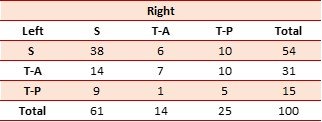
Exploring the Variations of the Cavernous Sinus Tributaries in the South African Population
pp. 9584–9598 · doi.org/10.16965/ijar.2026.132
-
02
 Original Article
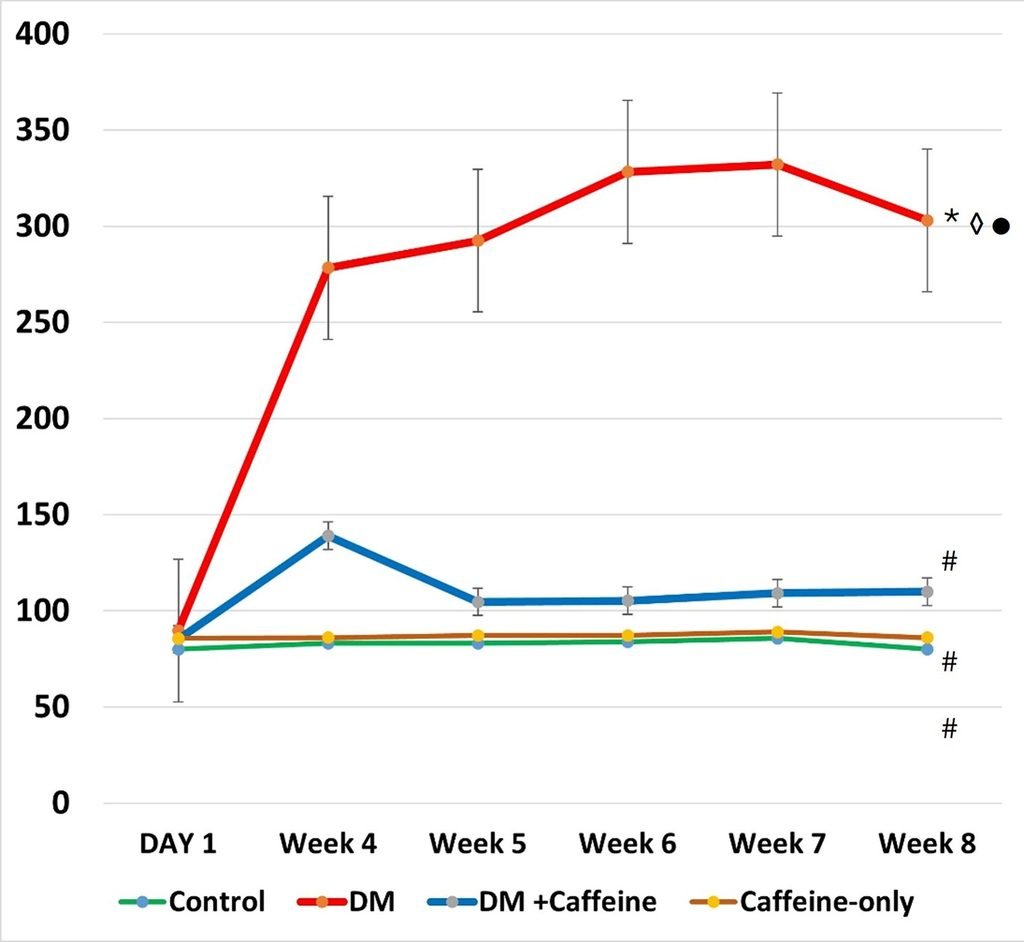
Impact Of Caffeine on the Neurodegenerative Changes of the Frontal Cortex in Type 2 Diabetic Rats
pp. 9599–9606 · doi.org/10.16965/ijar.2026.160
-
03
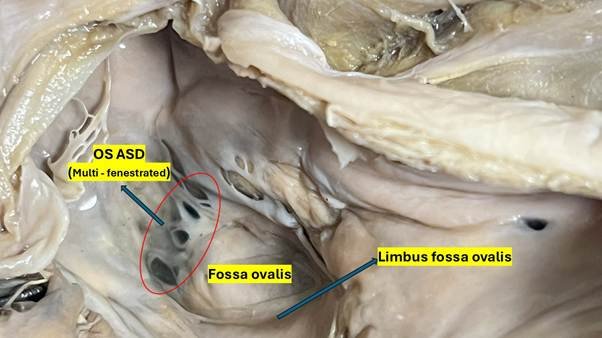 Case Report
Ostium Secundum Atrial Septal Defect: A Case Report with Review of Literature
pp. 9607–9614 · doi.org/10.16965/ijar.2026.161
-
04
![Fig. 1: [A] kidney treated with cadmium chloride only [H &E stain X400], [B] kidney treated with cadmium chloride and 200 mg cardamom [H &E stain X40], [C] kidney treated with cadmium chloride and 300 mg cardamom [H &E stain X400]](https://www.ijmhr.org/IntJAnatRes/wp-content/uploads/2026/08/image.gif)
-
05
-
06
-
07
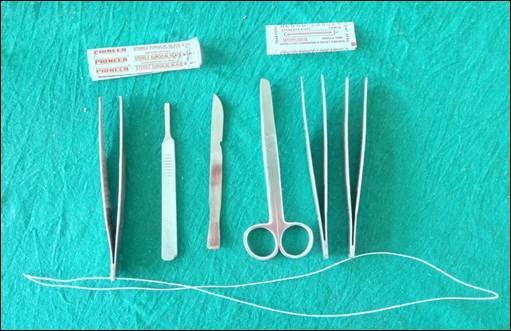 Original Article
Mapping the Arterial Architecture of the Hand: A Cadaveric Study Using Vascular Silicone Gel Injection
pp. 9646–9653 · doi.org/10.16965/ijar.2026.184
-
08
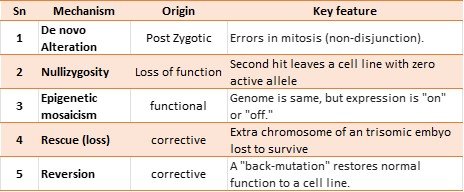 Original Article
Chromosomal Mosaicism at a Tertiary Care Center in Central India
pp. 9654–9660 · doi.org/10.16965/ijar.2026.192
-
09
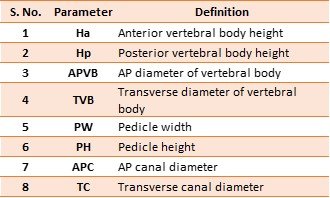
-
10
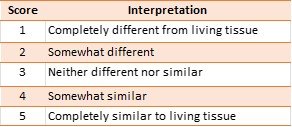
-
11

11 articles in this issue
Full table of contentsLatest Issues
Publication timeline
In Preparation
Next Issue
Peer review under way for the next scheduled issue.
Forthcoming
Future Issue
Scheduling to follow.
Editorial Standards
Built on recognised scholarly-publishing practice
Our editorial process follows the standards set by COPE, the ICMJE, OASPA, and the WAME. Every article carries a registered DOI, Google Scholar / Highwire citation metadata, and a Schema.org ScholarlyArticle record from the day it's accepted, so it's built to be found and cited correctly from the outset.
- ISSN (Online)2321-4287
- ISSN (Print)2321-8967
- DOI prefix10.16965/ijar
- LicenceCC BY-NC-SA 4.0
- PublisherIMED Research Publications